Up to 40%
of global crop production is still lost
The FAO estimates that plant pests and diseases destroy up to 40% of global crop production every year, despite rising input use.
Precision Plant Treatment, empowered by AI.
Biodivera finds beneficial microbes in tropical soils, builds them into treatments a grower can actually pour, and uses field data to decide which treatment, what dose, and when to apply it.

Most treatment decisions are still made by calendar, by habit, or by the time a symptom is visible. That is usually after the yield is already gone. Growers pay for the input twice: once at purchase, once in lost fruit.
The FAO estimates that plant pests and diseases destroy up to 40% of global crop production every year, despite rising input use.
Plant diseases cost the global economy more than $220 billion each year. Invasive insects add at least $70 billion on top of that.
Global agricultural pesticide use reached 3.73 million tonnes of active ingredients in 2023, roughly double the 1990 level.
Most companies begin with a soil sample or a finished product. We begin with variation in the field: the trees that stay healthy while their neighbours don't. Then we work backwards to the biology responsible, and forwards to a treatment a grower can use this season.

Field phenotyping, imaging and crop-performance records locate trees that stay productive and resilient while the block around them declines. Those outliers tell us where useful biology is already at work.
Output: a shortlist of trees worth sampling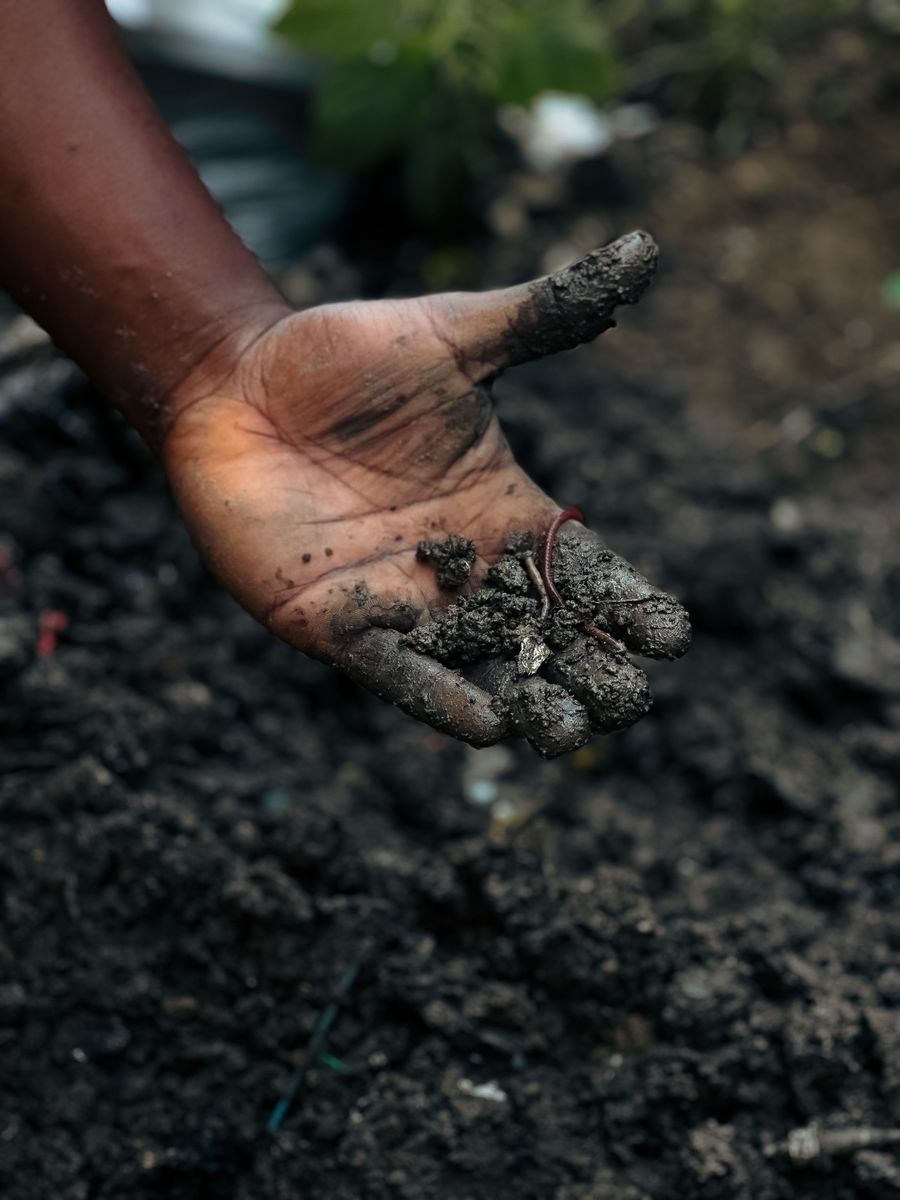
Root-zone and soil samples go to sequencing. We profile the microbiome, confirm whether the limiting problem is actually biological, and identify which microbial functions matter here: immunity, phosphorus solubilisation, root health, pathogen suppression.
Output: a named function, not a data dump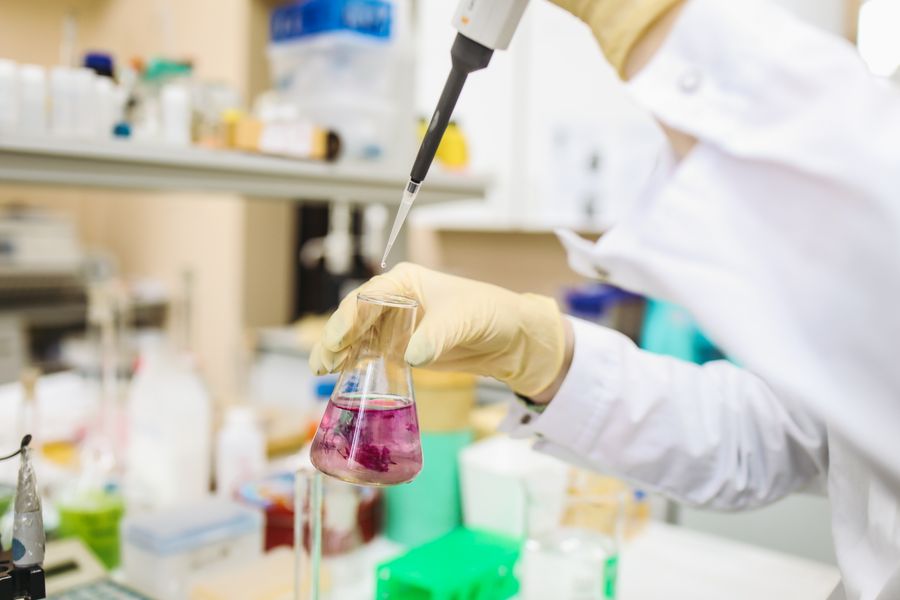
We characterise the candidates, screen for compatibility, and formulate a single strain or a stable consortium into a liquid product. It ships in a bottle, mixes with the existing program, and needs no new equipment.
Output: a product, not a laboratory report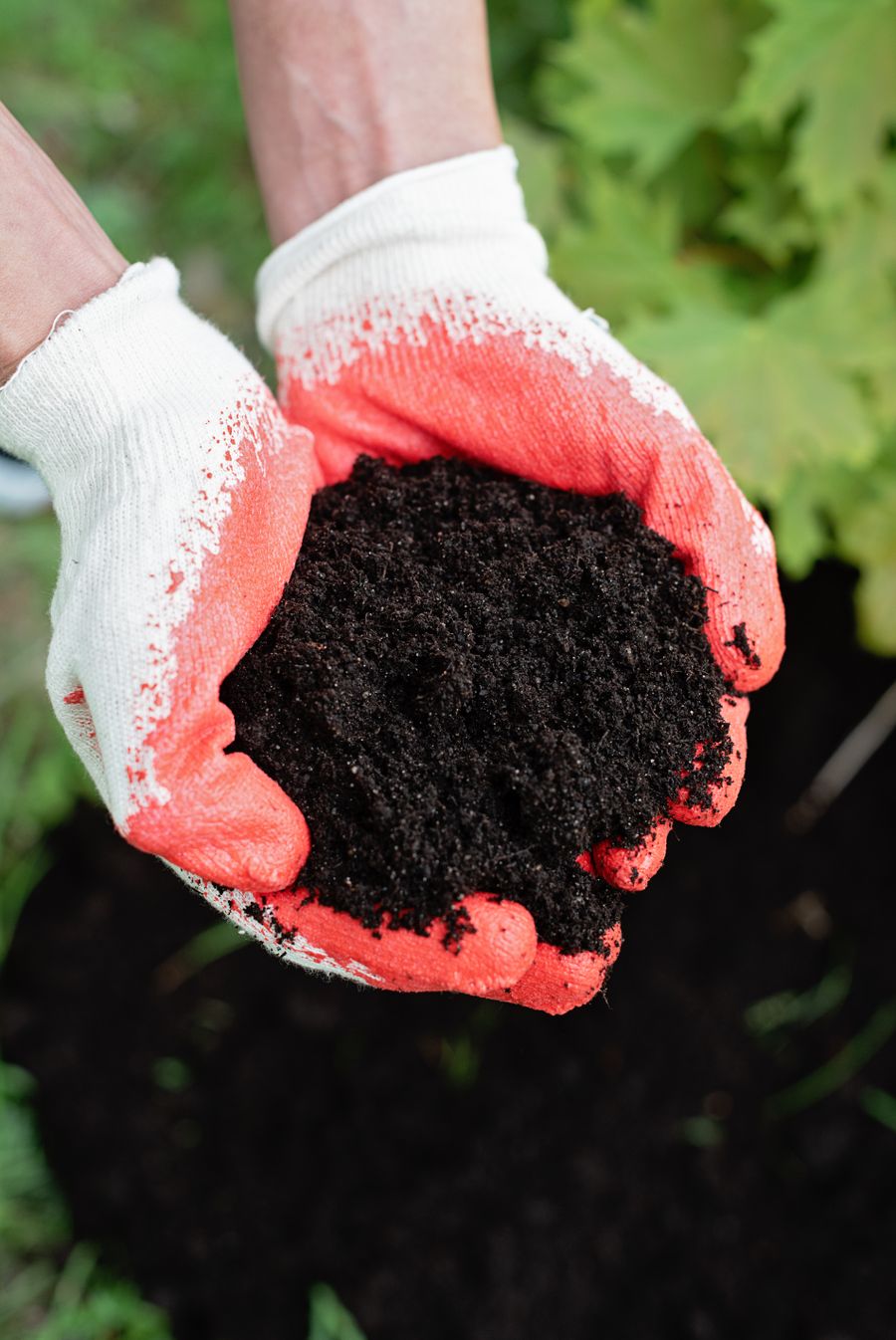
The grower gets dose, timing, method and compatibility notes. We record pest and disease pressure, input spend, marketable yield and margin. Every recorded outcome sharpens the next prescription.
Output: evidence that compoundsSequencing, weather models and phenotyping all sit behind the screen. What comes out the front is one page: which product, how much, when, and whether it clashes with what's already being applied.
Crop, rootstock and growth stage
Soil chemistry, texture and management history
Season, local pest pressure and trap counts
Canopy and root-zone microbiome profile, pathogen identity
On-site weather sensor: wind speed, humidity, temperature, UV
Product, dose, application window, the best hours to spray today, method, compatibility, and the expected effect on input spend
Timing is not a rule of thumb. The block's own weather sensor decides the spray hours, because a bait applied into midday heat and UV loses most of its value before the flies arrive. Confidence is stated, not implied. When the model cannot support a recommendation, it says so and asks for another sample instead of guessing.
These figures come from commercial deployments in North Sumatra, compared against each farm's own previous management. We report them as operational records, because that is what they are.
These figures are drawn from Biodivera company records and operational field observations, compared with each farm's previous practice. They have not been independently verified and replicated field trials are ongoing. We will publish replicated results when they exist, and we will name what fails alongside what works.
Each unit is a step in turning biodiversity into a working prescription, named plainly so a grower and an investor read them the same way.
Turns field, soil, weather and microbiome data into a biological prescription with a stated confidence level.
Our reference of microbes, genetic functions and crop responses. A proprietary map of tropical biodiversity that grows with every sample.
The microbial consortia and biological treatments a field actually receives, formulated for existing farm equipment.
Phenotyping, monitoring and commercial validation. Where the model meets the soil and has to prove itself.
Pathogen analysis, microbiome sequencing and consortium formulation. Where novel Indonesian microbes are found, characterised and built into treatments.
The product isn't only the microbe. It's the intervention-response dataset that says which farms will respond, under what conditions, and with what economic result. That asset only exists if you own both the biology and the field.
Characterised microbes and consortium candidates from tropical environments that competitors have not sampled and cannot access from their own geographies.
Records linking crop, rootstock, soil, weather, pest and pathogen, treatment, dose, timing, yield and profitability. That pairing is what makes a prediction possible.
Prescription models improve as we learn where a treatment works, where it doesn't, and why. Negative results are part of the training set.
The same route runs from crop problem to discovery, formulation, validation and market entry. That is what makes a second crop cheaper than the first.
The tropics hold the biology and the pathogen pressure. What has been missing is the instrumentation next to the commercial fields. We work with Indonesian science and technology institutions on microbe characterisation, pathogen work, crop research and field validation.


Institution names and marks are the property of their respective owners and are shown to describe existing research engagements. Universitas Gadjah Mada emblem: Wikimedia Commons, CC BY 4.0.
Indonesia holds some of the least-sampled microbial diversity on earth, across tropical soils that already carry heavy pathogen pressure. That's a hard place to farm and an unusually good place to look for biology that works.
Block-level diagnosis, a biological program built for the crop, and commercial field validation with measured input spend.
A route for microbiome, pathogen and formulation research to reach commercial fields instead of stopping at publication.
Test placement, improve application protocols, and build field evidence for products that already exist.
Product ranges matched to specific crops, soils and pathogen pressures rather than to whatever moves fastest.
Crop programs with traceable input reduction, measurable quality, and documented farmer outcomes.
Product development, regulatory pathways, manufacturing capacity, field deployment and entry into new markets.
We're raising to expand replicated field validation, build out the Atlas, and take the same discovery loop into a second crop. If you invest in agricultural biotech, run commercial orchards, or make biological products, we'd like to talk.
contact@biodivera.com